

Transportation Challenges Seniors Face in Winter and How to Avoid Them
- Consumr Buzz
%20copy.png/v1/fill/w_320,h_320/file.jpg)
- Apr 17
- 5 min read

Introduction: Winter Changes Everything for Senior Mobility
Winter in West Michigan is beautiful—but for seniors, it can also be dangerous. Snow, ice, freezing temperatures, and shorter daylight hours dramatically increase the difficulty of getting around safely. For older adults who already face mobility or health challenges, winter weather can turn routine travel into a serious risk.
Transportation becomes one of the biggest barriers to healthcare access during winter, especially for seniors who no longer drive or who rely on others for rides. Understanding these challenges—and knowing how to prevent them—is essential for staying safe, healthy, and independent throughout the colder months.
Why Winter Is Especially Risky for Seniors
Cold weather impacts seniors more than most people realize. Age-related changes in balance, strength, and reaction time make navigating winter conditions especially difficult.
Common winter risks for seniors include:
Slips and falls on icy sidewalks or driveways
Difficulty climbing into standard vehicles
Reduced visibility while walking or crossing streets
Increased joint stiffness and pain in cold temperatures
Delayed medical care due to fear of traveling
Transportation issues during winter often lead seniors to cancel or postpone appointments, which can negatively impact health outcomes.
Reduced Driving Safety in Winter Months
Many seniors already limit driving due to vision changes, slower reflexes, or medical conditions.
Winter amplifies these risks through:
Snow-covered roads
Black ice
Poor visibility
Slippery parking lots
Increased accident rates
Even confident drivers may choose to stop driving entirely during winter, creating sudden transportation gaps that families are not prepared for.
Public Transportation Limitations in Winter
While buses and public transit are often suggested as alternatives, they present serious challenges for seniors during winter:
Long waits outdoors in freezing temperatures
Slippery bus stops and platforms
Limited assistance boarding and exiting
Schedule delays due to weather
Long walking distances to stops
For seniors with mobility aids or chronic conditions, public transit may not be a safe or realistic option in winter.
Increased Risk of Falls During Transfers
One of the most dangerous moments for seniors in winter is transferring into or out of a vehicle. Ice-covered curbs, uneven pavement, and snowbanks increase fall risk significantly.
Falls during winter often lead to:
Broken hips or wrists
Head injuries
Hospitalization
Loss of independence
Long recovery periods
Safe transportation must account for these risks, not ignore them.
Missed Medical Appointments Due to Weather Anxiety
Many seniors cancel appointments simply because they feel unsafe traveling in winter conditions.
Unfortunately, missed care can lead to:
Worsening chronic conditions
Delayed diagnosis
Medication issues
Increased emergency room visits
This is especially concerning for seniors requiring:
Dialysis
Physical therapy
Oncology treatment
Cardiology follow-ups
Post-surgical care
Reliable transportation helps ensure continuity of care even during winter storms.
How Medical Transportation Reduces Winter Risks
Professional medical transportation is specifically designed to address winter-related challenges.
Key safety advantages include:
Vehicles equipped for winter driving
Drivers trained in cold-weather conditions
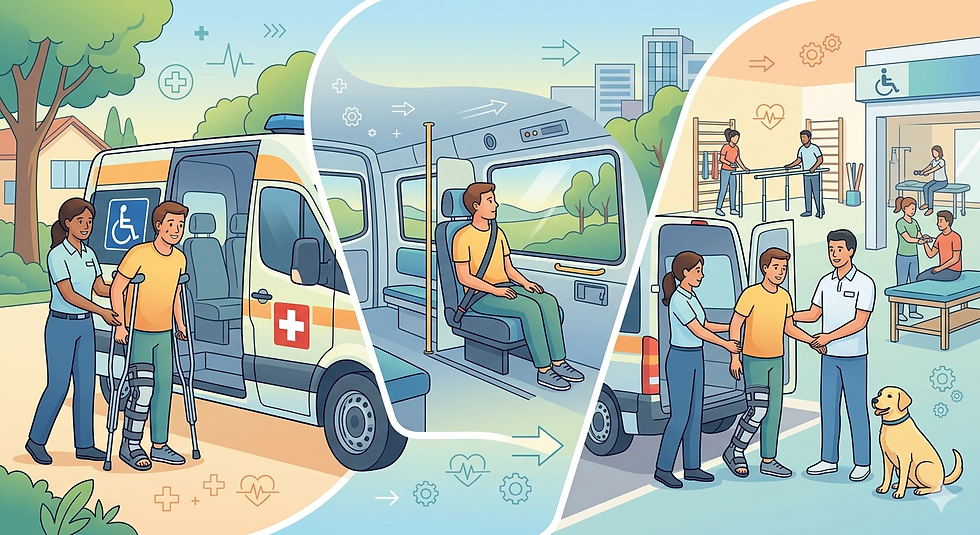
Door-to-door assistance
Safe boarding and unloading support
Reduced exposure to cold temperatures
Advance route planning for weather and road conditions
Seniors do not need to navigate icy sidewalks or wait outdoors when transportation is planned correctly.
Door-to-Door Assistance Makes a Difference
Door-to-door service is especially important during winter. This includes:
Assisting seniors from inside the home to the vehicle
Helping navigate snow-covered walkways
Providing steady support during transfers
Escorting seniors safely into medical facilities
This level of assistance dramatically reduces fall risk and anxiety.
Wheelchair and Mobility Support in Winter
Seniors who use walkers, canes, or wheelchairs face additional challenges in winter:
Wheels slipping on ice
Reduced traction on ramps
Snow blocking accessibility paths
Medical transportation vehicles are designed to accommodate mobility devices safely, even in winter conditions. Trained drivers ensure equipment is secured properly and passengers remain stable during travel.
Real-Life Scenario: Avoiding Winter Isolation
A senior living alone in Walker, MI stopped driving during winter after a near fall on ice. Without transportation, she canceled multiple medical appointments and became socially isolated.
Once recurring winter transportation was arranged, she resumed regular care, attended appointments safely, and avoided further health complications. The consistency allowed her to remain independent throughout the winter season.
Planning Ahead for Winter Transportation
The most effective way to avoid winter transportation issues is early planning. Seniors and caregivers should:
Arrange transportation before winter begins
Schedule recurring appointments in advance
Avoid last-minute ride requests during storms
Confirm winter availability with providers
Keep contact information easily accessible
Planning ahead reduces stress and improves safety.
Winter Scheduling Tips for Seniors and Caregivers
Helpful winter strategies include:
Scheduling appointments later in the morning when roads are clearer
Avoiding back-to-back appointments on storm-prone days
Booking return rides with flexibility
Allowing extra time for travel delays
Communicating schedule changes promptly
These small adjustments make winter travel safer and more manageable.
Supporting Caregivers During Winter
Winter transportation is often especially stressful for caregivers who may:
Be balancing work and family responsibilities
Worry about their loved one’s safety
Face unpredictable weather schedules
Professional transportation reduces caregiver burden by providing dependable, trained support regardless of conditions.
Winter Transportation and Preventive Care
Seniors often postpone preventive care during winter, such as:
Routine checkups
Screenings
Therapy sessions
Medical transportation helps maintain preventive care schedules, reducing health risks and hospitalizations later in the year.
Financial Considerations in Winter
Transportation challenges during winter may be addressed through:
Medicaid-covered medical transportation
Private-pay services for flexibility
Recurring ride discounts
Caregiver coordination
Understanding options before winter begins allows seniors to maintain access to care without disruption.
Common Winter Transportation Mistakes
Seniors and families often make these mistakes:
Assuming winter driving is still safe
Waiting until after a fall or accident to seek help
Relying on inconsistent informal rides
Canceling appointments unnecessarily
Underestimating winter risks
Avoiding these mistakes supports safety and independence.
Frequently Asked Questions
Is medical transportation available during snowstorms?
Most providers operate during winter conditions, prioritizing safety and advance planning.
Do drivers help with icy walkways?
Yes. Door-to-door assistance includes help navigating winter conditions.
Can transportation be scheduled weekly during winter?
Yes. Recurring scheduling is highly recommended for winter months.
What if weather delays an appointment?
Professional providers communicate delays and adjust pickup times as needed.
Is winter transportation only for medical visits?
While medical appointments are the priority, non-medical trips may also be available through private scheduling.
Winter Should Not Mean Isolation or Missed Care
Winter already limits social activity and mobility for many seniors. Transportation challenges should not further restrict access to healthcare or independence.
Reliable medical transportation ensures seniors remain:
Safe
Connected
Consistent with care
Confident in their routines
Final Thoughts: Staying Safe and Independent All Winter
Winter transportation challenges are real—but they are also manageable with the right support. Seniors do not need to risk falls, miss care, or sacrifice independence due to snow and ice.
With professional medical transportation, winter becomes safer, less stressful, and far more manageable. Seniors in Grand Rapids and throughout West Michigan can continue aging in place, attending appointments, and staying healthy—no matter the season.


Comments