

How Medical Transportation Supports Aging in Place
%20copy.png/v1/fill/w_320,h_320/file.jpg)

Introduction: Aging in Place Is a Priority for Most Seniors
For most older adults, the goal is simple: remain at home for as long as possible. Aging in place allows seniors to maintain independence, stay connected to their community, and preserve a sense of dignity and control over their daily lives.
However, aging in place comes with challenges—especially when it comes to transportation. As driving becomes unsafe or impractical, access to healthcare, groceries, and social activities can quickly diminish.
Professional medical transportation plays a critical role in making aging in place realistic, safe, and sustainable for seniors in Grand Rapids and across West Michigan.
What Does Aging in Place Really Mean?
Aging in place refers to a senior’s ability to:
Live safely in their own home
Maintain independence
Access healthcare consistently
Stay socially connected
Avoid premature relocation to assisted living or nursing facilities
Transportation is one of the most significant factors determining whether aging in place succeeds or fails.
Why Transportation Is a Major Barrier for Seniors
As people age, driving often becomes difficult due to:
Vision changes
Slower reaction times
Medication side effects
Reduced mobility
Cognitive changes
Anxiety behind the wheel
When seniors stop driving, they often experience:
Missed medical appointments
Delayed care
Increased isolation
Dependence on family
Declining health outcomes
Without reliable alternatives, aging in place becomes much harder.
The Role of Medical Transportation in Senior Independence
Medical transportation allows seniors to remain in their homes while still accessing essential services. Reliable transportation supports:
Doctor and specialist visits
Physical therapy and rehabilitation
Dialysis and ongoing treatments
Mental health and counseling appointments
Prescription pickup and follow-ups
When transportation is dependable, seniors are far more likely to stay engaged in their care and maintain better overall health.
Reducing the Need for Facility-Based Care
One of the biggest benefits of medical transportation is preventing premature placement in assisted living or skilled nursing facilities.
Many seniors move out of their homes not because they cannot live independently—but because they cannot reliably get to:
Medical appointments
Therapy sessions
Necessary follow-up care
Transportation fills this gap, allowing seniors to stay home longer and maintain autonomy.
How Medical Transportation Supports Safety
Transportation-related accidents are a significant risk for seniors, especially when:
Transferring into standard vehicles
Navigating icy sidewalks
Using public transit
Relying on untrained drivers
Professional medical transportation provides:
Door-to-door assistance
Trained drivers familiar with senior mobility
Wheelchair-accessible vehicles
Secure boarding and unloading
Calm, unrushed support
This level of care reduces fall risk and injury.
Supporting Seniors With Mobility Challenges
Many seniors aging in place use:
Walkers
Canes
Wheelchairs
Orthopedic supports
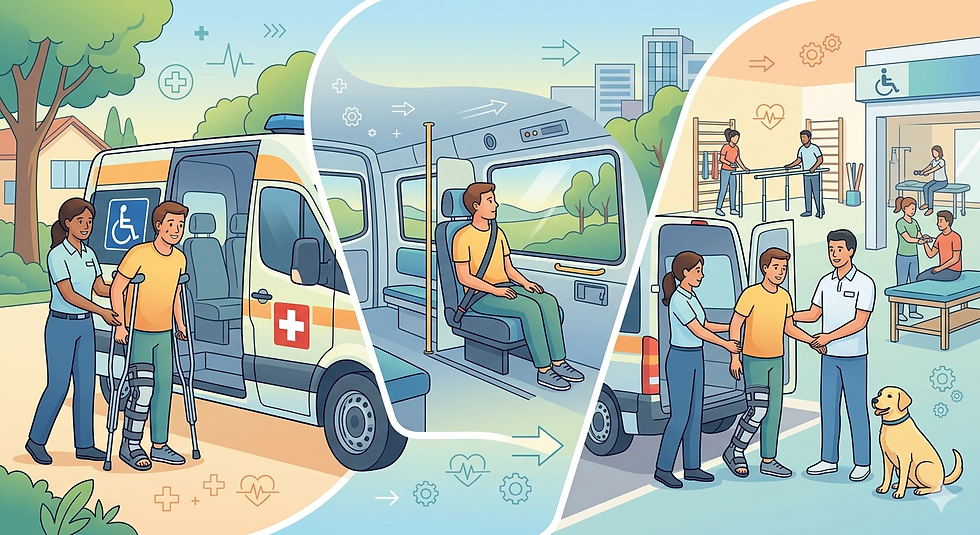
Medical transportation vehicles are designed to accommodate these needs safely. Drivers assist with:
Boarding and exiting
Securing mobility devices
Navigating medical facilities
Ensuring safe arrival at home
This support allows seniors to continue living independently without compromising safety.
Consistency Builds Confidence
Consistency is especially important for older adults. Medical transportation providers often offer:
Recurring scheduling
Familiar drivers
Predictable pickup windows
These routines:
Reduce anxiety
Improve appointment attendance
Build trust
Encourage continued independence
Seniors who feel confident about transportation are more likely to schedule and attend necessary care.
Supporting Caregivers and Families
Families often want their loved ones to age in place—but struggle to manage transportation demands. Medical transportation:
Reduces caregiver burnout
Minimizes work disruptions
Ensures reliable access to care
Provides peace of mind
Instead of juggling schedules, caregivers can focus on quality time and support.
Real-Life Example: Aging in Place Made Possible
A senior living alone in East Grand Rapids stopped driving after vision changes. Without transportation, medical appointments were being skipped, and her family worried she would need assisted living.
Once recurring medical transportation was arranged, she resumed regular care, attended physical therapy, and continued living independently. Transportation made aging in place viable again.
Mental and Emotional Benefits of Staying Independent
Transportation affects more than physical health. Aging in place supported by reliable transportation helps seniors:
Maintain self-esteem
Avoid feelings of being a burden
Stay socially engaged
Preserve routines
Feel connected to their community
Mental well-being is a key component of healthy aging.
Medical Transportation and Preventive Care
Preventive care is essential for seniors, but often overlooked when transportation is unreliable. Medical transportation supports:
Annual checkups
Preventive screenings
Medication reviews
Early intervention for new symptoms
Preventive care reduces hospitalizations and supports long-term independence.
Weather and Seasonal Challenges in Michigan
Michigan winters create additional transportation challenges for seniors:
Icy driveways and sidewalks
Snow-covered roads
Cold-related mobility issues
Professional medical transportation providers plan for weather conditions and ensure safe travel during winter months—helping seniors remain home year-round.
Payment Options and Accessibility
Medical transportation for aging in place may be covered or supported through:
Medicaid transportation benefits
Private-pay services
Long-term care planning
Caregiver coordination
Understanding options early helps families plan effectively.
Common Misconceptions About Aging in Place
Many families assume:
Seniors must drive to live independently
Public transportation is always sufficient
Transportation issues mean assisted living is necessary
In reality, medical transportation fills the gap between driving and facility-based care.
Frequently Asked Questions
Is medical transportation only for seniors with disabilities?
No. It supports any senior who cannot drive safely or access care independently.
Can transportation be scheduled regularly?
Yes. Recurring scheduling is ideal for aging in place.
Do drivers help seniors into their homes?
Yes. Door-to-door assistance is standard for medical transportation.
Is this service available on weekends?
Many providers operate seven days a week, depending on location and scheduling.
Can a caregiver ride along?
In most cases, one companion is permitted.
Aging in Place Is a Team Effort
Successful aging in place requires coordination between:
Seniors
Families
Healthcare providers
Transportation services
Medical transportation acts as a bridge that keeps all parts of the care plan connected.
Final Thoughts: Independence Requires Access
Aging in place is not just about staying home—it’s about maintaining access to healthcare, community, and daily life. Transportation is one of the most powerful tools supporting that access.
With reliable medical transportation, seniors in Grand Rapids and West Michigan can continue living where they are most comfortable—at home—while staying healthy, safe, and connected.


Comments